

P1 · Application / Soap making
Camellia Oil for Soap Making
Camellia oil is a high-oleic seed oil pressed from Camellia oleifera, and it is used in cold process soap for the mild lather and the hardness it contributes at 5–20 % of the oil blend. We press it ourselves in Hunan at or below 60 °C and supply it as the unrefined grade.
Why formulators use it in cold process soap
Three numbers explain it. Oleic acid sits at 80.0 %, which gives a soap a gentle, creamy lather. Linoleic acid is only 8.38 %, and polyunsaturated oils are what turn rancid first. The saturated fraction — palmitic 8.28 % plus stearic 2.15 % — is enough to firm a bar without making it brittle.
Fatty acid profile
Eleven fatty acids were quantified, and the full set is below — formulators need more than the oleic headline. Every value comes from the same third-party report, No. A2240440191101001C, and you can open the original yourself at mycti.cti-cert.com with code SEF9. These are typical values for the grade.
| Fatty acid | Result | Requirement |
|---|---|---|
| Oleic acid, C18:1 | 80.0 % | 68.0 – 87.0 % |
| Linoleic acid, C18:2 | 8.38 % | 3.8 – 14.0 % |
| Palmitic acid, C16:0 | 8.28 % | 3.9 – 14.5 % |
| Stearic acid, C18:0 | 2.15 % | 0.3 – 4.8 % |
| Eicosenoic acid, C20:1 | 0.560 % | ≤ 0.7 % |
| Linolenic acid, C18:3 | 0.333 % | ≤ 1.4 % |
| Palmitoleic acid, C16:1 | 0.0845 % | ≤ 0.2 % |
| Nervonic acid, C24:1 | 0.0712 % | ≤ 0.5 % |
| Arachidic acid, C20:0 | 0.0369 % | ≤ 0.5 % |
| Myristic acid, C14:0 | 0.0354 % | ≤ 0.8 % |
| Erucic acid, C22:1 | Not detected (LOQ 0.0013 %) | ≤ 0.5 % |
Tested by Centre Testing International, report No. A2240440191101001C, issued 30 July 2024. Verify it yourself at mycti.cti-cert.com with code SEF9.
What each fatty acid does in the bar
Four fatty acids decide how a camellia bar behaves, and each does something different. The numbers below are from the tested profile on this page, not from general literature values, so you can put them straight into a lye calculator and see the same result we do.
Oleic (80.0 %) — conditioning and a slow, creamy lather. It is the reason camellia oil feels closer to olive oil than to coconut in a formula. Linoleic (8.38 %) — low enough to keep the bar from going rancid quickly, high enough to add glide. Palmitic (8.28 %) and stearic (2.15 %) — the hardness contributors. At 5–10 % of the blend they firm the bar; above 20 % they start to reduce lather. Linolenic (0.333 %) — very low. This is the fatty acid most responsible for discolouration and rancidity, and it is close to absent here.
What percentage to use
Most published cold process recipes place camellia oil between 5 % and 20 % of the total oil weight. Below 5 % you will not notice it in the lather; above 20 % the bar softens and needs a longer cure. We do not publish a house recipe — the right number depends on the rest of your blend.
Saponification value
Saponification value is approximately 200 mg KOH/g, calculated from the fatty acid profile in our test report rather than measured directly. Formulators should confirm it on a small batch; we can also state the measured value on the certificate of analysis for your order.
Oxidation stability
The oil is unrefined, which means it retains its natural tocopherols — the compounds that slow oxidation. The tested peroxide value is 0.013 g/100 g and acid value is 0.94 mg KOH/g, both low. Store it sealed, away from light, and the fatty acid profile will not shift noticeably within its shelf life.
Supply: quantity and packaging
Minimum order is 5 MT for bulk oil, so a small soap studio does not need to commit to a full container.
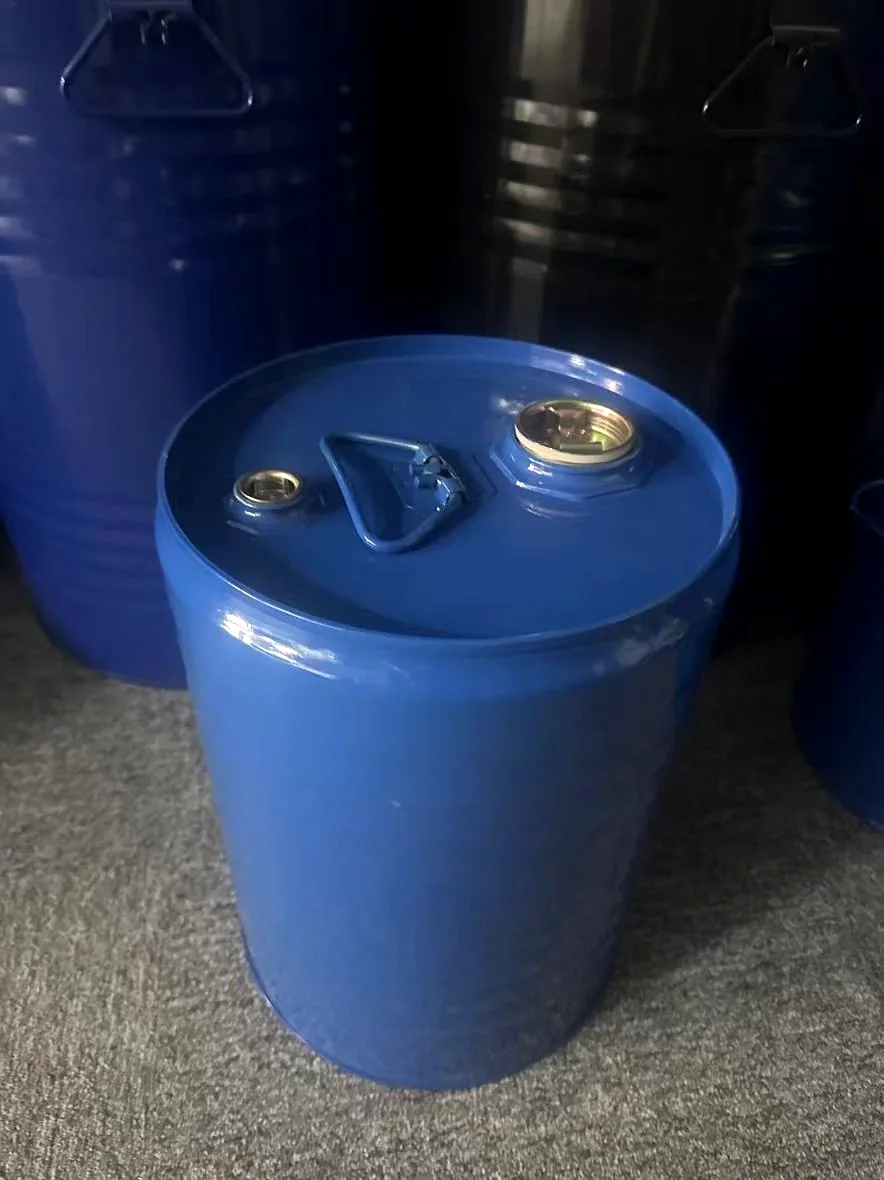
Bulk formats are 190 kg steel or HDPE drums, 20 L pails and 1000 L IBC totes; other formats can be quoted on request. We supply either grade — the unrefined cold pressed oil described on this page, or the fully refined grade from the same batch. Tell us which your recipe needs. Samples are free so you can run a test batch first — you cover the freight, credited against your first order.
Documentation
Every shipment carries a batch-specific certificate of analysis. The third-party test report is available online and you can open the original yourself — report No. A2240440191101001C, verification code SEF9 at mycti.cti-cert.com. HACCP and ISO 22000 cover production and sales; ISO 9001, 14001 and 45001 are held for sales scope only.
FAQ
Six questions come up in almost every soap-making enquiry: hardness, saponification value, trace speed, usage rate, discolouration and minimum order. Short answers follow. If yours is not covered, send it with your target volume and we will answer in writing.
Does camellia oil make a hard bar?
Moderately. Its saturated fraction — palmitic 8.28 % and stearic 2.15 % — firms a bar without making it brittle. Most formulators pair it with coconut or palm for structure and use camellia for the conditioning half of the blend.
What is the saponification value?
Approximately 200 mg KOH/g, calculated from the tested fatty acid profile. Confirm it on a small batch, or ask us for the measured value on your order’s certificate of analysis.
Will it speed up trace?
No. High-oleic oils trace slowly, which gives you working time for swirls and layers. If your recipe traces fast, camellia is not the cause.
Can I use it at 100 %?
You can, but the bar will be soft and need a long cure. Most recipes keep it at 5–20 %.
Does it discolour over time?
Linolenic acid is only 0.333 %, which is the fatty acid most linked to discolouration. In practice camellia-based bars stay pale.
What is the minimum order?
5 MT for bulk oil. Samples are free — you cover the freight, credited against your first order.